
The cannabis edible market has expanded rapidly as legalization spreads across North America and other global regions. Edibles provide an appealing alternative to smoking or vaping because they are discreet, smoke-free, and often perceived as easier for beginners to approach. However, dosage plays a critical role in how consumers select edible products. Unlike inhaled cannabis, edibles produce delayed and longer-lasting effects due to metabolic processing in the liver, making dose awareness especially important. For new consumers, understanding THC milligram levels can help prevent overconsumption and improve the overall experience. As the edible market continues to grow, clearer dosing information and increased consumer education are increasingly shaping purchasing decisions and influencing product design.
Understanding Cannabis Edible Dosage
Cannabis edible dosage refers to the amount of cannabinoids, most commonly tetrahydrocannabinol (THC) and cannabidiol (CBD), measured in milligrams (mg) within a single product serving. For beginners, doses are typically categorized into ranges such as microdose (1–2.5 mg THC), low dose (around 5 mg), moderate dose (10 mg), and higher doses (20 mg or more).
Unlike inhaled cannabis, edibles must pass through the digestive system and liver before entering the bloodstream. During this process, THC is metabolized into 11-hydroxy-THC, a compound that can produce stronger and longer-lasting psychoactive effects. Because of this metabolic pathway, the onset of edible effects is delayed, usually taking between 30 and 120 minutes. Once the effects begin, the experience can last four to eight hours or longer. For this reason, understanding dosage is essential for safe, controlled, and predictable cannabis consumption.
Why Dosage Matters to Consumers
Dosage plays a central role in how consumers choose cannabis edibles because it directly influences the intensity, duration, and predictability of effects. For many beginners, uncertainty about how strong an edible will feel often leads to cautious purchasing decisions. Lower-dose products are frequently preferred because they reduce the likelihood of uncomfortable experiences such as anxiety, dizziness, or excessive intoxication.
Unlike inhaled cannabis, edibles take longer to produce noticeable effects, which increases the risk of accidental overconsumption if dosage is not clearly understood. As a result, many consumers gravitate toward products with clearly labeled THC amounts and individually portioned servings, as these formats provide better control over intake. Industry market data also shows that low-dose edibles are among the fastest-growing segments of the cannabis market, reflecting increasing demand for predictable and manageable experiences, particularly among new or occasional users.
Dosage and Consumer Experience Levels
Consumer experience level plays a significant role in determining edible dosage preferences and overall product selection. Beginner consumers typically have limited exposure to cannabis and tend to be more sensitive to tetrahydrocannabinol (THC), the primary psychoactive compound in cannabis. Because of this increased sensitivity, many public health guidelines recommend starting with low doses of approximately 2.5–5 mg of THC to minimize the risk of adverse effects such as anxiety, dizziness, or over-intoxication.
As consumers become more familiar with how edibles affect them, intermediate users may gradually increase their intake to around 5–10 mg of THC. This range often produces stronger yet still manageable effects. Experienced consumers, who have developed higher tolerance through repeated cannabis exposure, often select products containing 10–25 mg of THC or more.
Research shows that tolerance, metabolism, and prior cannabis exposure all influence how individuals respond to edible cannabis products. As a result, dosage selection is highly dependent on a consumer’s personal experience level and comfort with cannabis effects.
Product Types and Dosage Formats
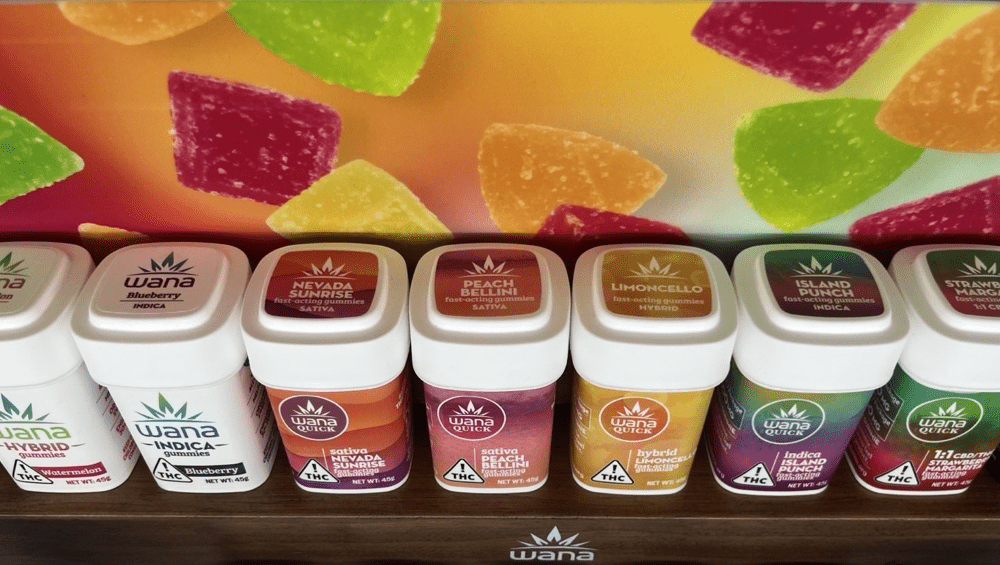
Cannabis edible products are designed with specific dosage formats that help consumers control their intake and better predict their experience. Gummies are among the most popular edible products in legal markets because each piece typically contains a standardized dose, often between 5 and 10 mg of THC, making portion control simple and accessible for beginners.
Chocolates also offer measured dosing through segmented bars or squares, allowing users to consume smaller amounts gradually. Cannabis-infused beverages are becoming increasingly popular and frequently contain lower doses, typically between 2 and 10 mg of THC per serving. These products appeal to consumers seeking a mild, social cannabis experience.
Capsules and tablets provide one of the most precise dosing methods available, as each unit contains an exact cannabinoid amount similar to traditional supplements or medications. According to industry analytics firms, gummies consistently dominate edible sales due to their predictable dosing, convenience, and familiarity among consumers.
Safety and Responsible Dosage Selection
Selecting the right edible dosage is essential for both safety and a positive cannabis experience, particularly for beginners. Health experts commonly recommend the approach “start low and go slow,” beginning with approximately 2.5–5 mg of THC and waiting at least two hours before considering additional consumption.
Because edibles are metabolized in the liver and converted into 11-hydroxy-THC, their effects may take longer to appear and can feel stronger than those produced by inhaled cannabis. Carefully reading product labels is also critical. Packaging typically indicates the total THC content, serving size, and number of servings, helping consumers better understand how much they are consuming and avoid accidental overconsumption.
Individual factors such as body weight, metabolism, tolerance level, and whether cannabis is consumed with food can also influence how edibles affect a person. Understanding these variables helps beginners make safer and more informed edible choices while reducing the likelihood of unpleasant or overwhelming experiences.
How Dosage Trends Are Shaping the Edible Market
Rising consumer demand for predictable cannabis experiences is driving significant changes within the edible market. Industry reports show increasing popularity of microdose products containing 1–5 mg of THC, which provide milder effects and appeal to new or wellness-focused consumers seeking greater control over their cannabis intake.
Manufacturers are also introducing low-dose cannabis beverages and single-serve edibles designed for social settings and gradual consumption. At the same time, clearer product labeling and more precise serving sizes have become standard as brands prioritize safety, transparency, and consumer trust. These innovations reflect a broader shift toward controlled dosing and beginner-friendly cannabis products across legal markets.
Conclusion
Understanding edible dosage is essential for safe and satisfying cannabis consumption, particularly for beginners. The amount of THC measured in milligrams directly affects the intensity and duration of effects, making dosage awareness a critical factor in product selection. Research shows that low doses and clearly labeled products can help reduce the risk of overconsumption and adverse reactions. As the legal cannabis market continues to expand, improved dosage transparency and consumer education are increasingly prioritized to support informed decision-making and encourage responsible edible use.
Sources
- Freeman, T. P., et al. (2019). “Just say ‘know’: how do cannabinoid concentrations influence users’ estimates of cannabis potency?” Addiction Journal.
- Barrus, D. G., et al. (2016). “Tasty THC: Promises and Challenges of Cannabis Edibles.” Methods Report (RTI Press).
- Grand View Research (2023). Cannabis Edibles Market Size & Industry Trends Report.
- New Frontier Data (2022). U.S. Cannabis Consumer Insights Report.
- Huestis, M. A. (2007). Human Cannabinoid Pharmacokinetics. Chemical Biodiversity.
- Grotenhermen, F. (2003). Pharmacokinetics and Pharmacodynamics of Cannabinoids. Clinical Pharmacokinetics.
- National Institute on Drug Abuse (NIDA). Cannabis DrugFacts.
- Bidwell, L. C., et al. (2020). Oral cannabis pharmacokinetics and effects. Journal of Analytical Toxicology.
- BDSA Cannabis Market Research Reports.
- Volkow, N. D., et al. (2014). Adverse Health Effects of Marijuana Use. New England Journal of Medicine.
- Spindle, T. et al., Journal of Cannabis Research – Pharmacokinetics of orally consumed THC